
Good's Septic & Excavating offers a comprehensive septic system installation service in the picturesque Table Rock Lake area and Barry and Stone Counties. Our experienced team ensures a seamless process from start to finish, including site evaluation, system, and installation. We prioritize quality and compliance with local regulations, providing you with a reliable and efficient system tailored to your needs.
Trust Good's Septic & Excavating for expert service and peace of mind in maintaining your property's wastewater management.
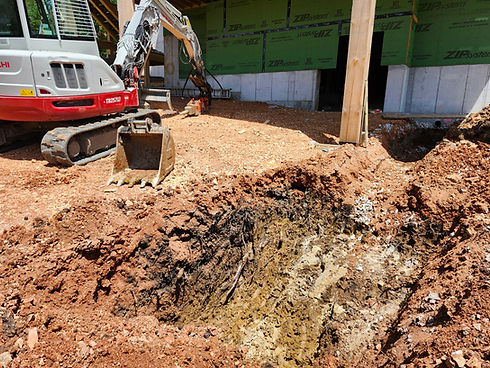
SEPTIC SYSTEM INSTALLATION
Improve Your Property's Wastewater Management
Septic Success Begins with Expert Installation
Questions About Septic Systems
What Is A Septic Tank?
Not every home is connected to municipal sewer systems, particularly those in rural areas or those built before such systems were established. Homes not served by city or county systems require a method to manage liquid waste from sources like kitchens, bathrooms, and laundry. Septic tanks serve as alternative systems that treat household wastewater. Wastewater flows from your home into an underground septic tank, typically constructed of concrete or plastic. All septic tanks utilize a natural process to break down solid waste and separate it from liquids, allowing the remaining liquid to enter the drain field, where it will filter through the soil. Essentially, septic tanks function as mini treatment facilities right in your backyard!
What Is the Cost of Septic System Installation?
Installing a septic tank involves more than just ordering a new system. Several factors influence both the choice of tank and the overall installation costs.
The choice of materials significantly impacts the cost of installing a septic system. Concrete tanks are generally the most affordable option, followed by plastic tanks, with fiberglass tanks being the most expensive, apart from less commonly used steel tanks.
When selecting your system, the choice of materials is crucial. Costs can vary significantly, and the material selected plays a significant role in pricing.
What Size Septic Tank Do You Need?
The size of your home usually dictates the size of the septic tank you'll need. A larger home generally corresponds with higher occupancy and water usage. It's crucial to select a tank that can adequately handle the expected water load, as a tank that is too small can lead to serious issues.
How Does Soil Type and Condition Affect Septic System?
The soil type and condition at your property play a crucial role in determining the appropriate Septic System required for approval by the county health department.
Different soil compositions, drainage capabilities, and levels of permeability can significantly influence the effectiveness of various Septic Systems. Therefore, a thorough evaluation of the soil is essential to ensure that the chosen Septic System meets both regulatory standards and the specific needs of your property. By understanding these factors, homeowners can make informed decisions that promote environmental safety and public health.
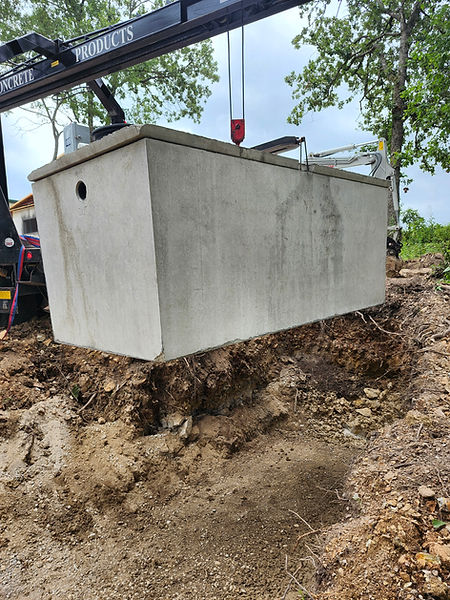


TYPES OF RESIDENTIAL SEPTIC SYSTEM SERVICES
STANDARD SEPTIC SYSTEMS
Standard Septic Systems
consist of a septic tank and a drainage field, which work together through a series of trenches and pipes that incorporate elements such as a pump, distribution box, and septic filter.
A standard septic tank is an underground, watertight container designed to receive and partially treat wastewater from residential buildings. It serves as a primary treatment system by separating solids—where heavier particles settle at the bottom as sludge—while lighter substances, such as grease, rise to the surface as scum. The clarified wastewater then flows out for further dispersal into the drain field.
LOW PRESSURE PIPE (LPP) SEPTIC SYSTEM
Low Pressure Pipe Septic System
is a widely-used on-site wastewater treatment solution, particularly in rural and suburban regions. LPPs are shallow placed, low pressure dosed soil absorption systems in a network of small diameter perforated pipes in narrow gravel filled trenches. Please note that Good’s Septic & Excavation LLC, we will often use gravelless pipe products to construct the effluent distribution field. Also in this section please change the verbiage to state that The low pressure dosing operation ensures that effluent water is uniformly distributed to the soil.
ADVANCED RESIDENTIAL TREATMENT SYSTEMS
Advanced Residential Treatment Systems offer enhanced wastewater management that surpasses traditional septic tank solutions. These systems are essential in regions with delicate ecosystems, limited space, or challenging soil conditions. Utilizing a multi-stage process with an array of integrated technologies, they effectively remove pollutants, ensuring the treated wastewater complies with rigorous environmental standards.
LIFT STATION
Lift Stations
are a crucial component of modern sewage collection systems, designed to pump wastewater from lower to higher elevations. This technology is particularly useful in areas with hilly terrain, where creating a gravity-fed septic system can be challenging. In such cases, utilizing a pump may be the most effective way to ensure a functional system. Additionally, when wastewater needs to flow into the piping network from a lower excavation, a lift station efficiently facilitates its transport to a wastewater treatment facility.
SUBSURFACE DRIP DISTRIBUTION (SDD) SEPTIC SYSTEMS
Subsurface Drip Distribution
(SDD) Septic Systems
Drip Irrigation:
Precision Wastewater Distribution for Challenging Sites
Drip irrigation systems provide a highly controlled method of wastewater dispersal, ideal for areas with restrictive soil conditions or limited space. By delivering small, timed doses of effluent through specialized tubing and emitters, these systems allow for even, low-volume treatment that protects groundwater and promotes long-term system performance.
How It Works:
Drip Irrigation System
Before reaching the pump tank, household waste is treated in an Aerated Treatment Unit or Trickling Biofilter, where oxygen enhances microbial breakdown of waste. Once treated, the effluent is delivered to the drip line absorption field in small doses.
This method:
Allows soil with limitations to be used effectively.
Ensures effluent is well-treated before entering groundwater.
Provides consistent dosing to prevent overloading the soil.
HOW TO INSTALL A SEPTIC TANK
If you're constructing a new home or replacing an old septic system, you likely have questions about installation, costs, and regulations. Septic tanks serve homes not connected to municipal sewer systems, treating wastewater from sources like sinks and toilets. Composed of concrete or plastic, these tanks utilize a natural process to separate solid and liquid waste.


Whether you’re initiating a new septic project or evaluating your current system, we can assist you. Regular maintenance is essential for maximizing the lifespan of your investment and preventing issues like sewer blockages or sewage backups. Keep an eye out for trouble signs and plan to have your tank pumped regularly. Our team of experienced professionals offers a complimentary assessment to guide you through project costs and septic tank installation.
Call (417) 846-3402 to book an appointment today!